There’s no way to tell how long the pandemic will continue. There are many factors, including the public’s efforts to slow the spread, researchers’ work to learn more about the virus, their search for a treatment, and the success of the vaccines.
What to do if you think you have it!
If you live in or have traveled to an area where COVID-19 is spreading:
If you don’t feel well, stay home. Even if you have mild symptoms like a headache and runny nose, stay in until you’re better. This lets doctors focus on people who are more seriously ill and protects health care workers and people you might meet along the way. You might hear this called self-quarantine. Try to stay in a separate room away from other people in your home. Use a separate bathroom if you can.
Call the doctor if you have trouble breathing. You need to get medical help as soon as possible. Calling ahead (rather than showing up) will let the doctor direct you to the proper place, which may not be your doctor’s office. If you don’t have a regular doctor, call your local board of health. They can tell you where to go for testing and treatment.
Follow your doctor’s advice and keep up with the news on COVID-19. Between your doctor and health care authorities, you’ll get the care you need and information on how to prevent the virus from spreading.
How do I know if it’s COVID-19, a cold, or the flu?
Symptoms of COVID-19 can be similar to a bad cold or the flu. Your doctor will suspect COVID-19 if:
You have a fever and a cough.
You have been exposed to people who have it within the last 14 days.
The number of people infected by SARS-CoV-2 changes every day. See our news story for the latest updates on this developing story.
Getting vaccinated against COVID-19 is a key part of prevention. But you should also take these steps:
1- Cover your nose and mouth in public. If you have COVID-19, you can spread it even if you don’t feel sick. Wear a cloth face covering to protect others. This isn’t a replacement for social distancing. You still need to keep a 6-foot distance between yourself and those around you.
2- Don’t use a face mask meant for health care workers. And don’t put a face covering on anyone who is:
Under 2 years old
Having trouble breathing
Unconscious or can’t remove the mask on their own for other reasons
3- Wash your hands often with soap and water or clean them with an alcohol-based sanitizer. This kills viruses on your hands.
4- Don’t touch your face. Coronaviruses can live on surfaces you touch for several hours. If they get on your hands and you touch your eyes, nose, or mouth, they can get into your body.
5- Practice social distancing. Because you can have and spread the virus without knowing it, you should stay home as much as possible. If you do have to go out, stay at least 6 feet away from others.
6- Clean and disinfect. You can clean first with soap and water, but disinfect surfaces you touch often, like tables, doorknobs, light switches, toilets, faucets, and sinks.
Use a mix of household bleach and water (1/3 cup bleach per gallon of water, or 4 teaspoons bleach per quart of water) or a household cleaner that’s approved to treat SARS-CoV-2. You can check the Environmental Protection Agency (EPA) website to see if yours made the list. Wear gloves when you clean and throw them away when you’re done.
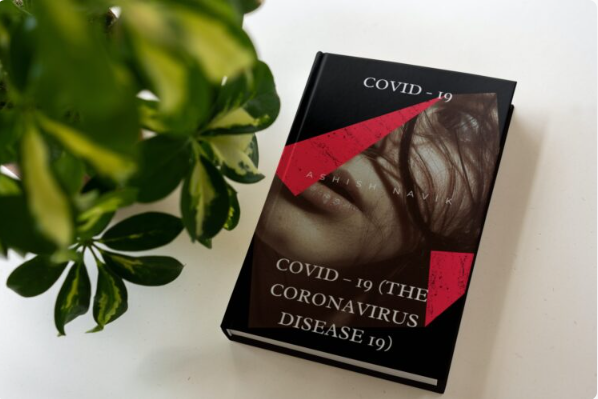
There’s lot more to know about COVID-19. TAP HERE TO KMOW MORE DETAILED THINGS ABOUT COVID-19.
All The Information Covered In This E-book, What To Do If We Have Such Symptom.
IF YOU HAVE RIGHT INFORMATION ABOUT COVID – 19 YOU CAN DEFEAT DISEASE EASILY.
The covid – 19 pandemics, also known as the novel coronavirus pandemic, originating in china in late 2019 outbreak spread across the entire world within just three to four months. This volume examines the first responses to the pandemic, the contexts of earlier epidemics and the epidemiological basics of infectious diseases. Further, it discusses patterns in the spread of the disease; the management and containment of infections at the personal, national and global level; effects on trade and commerce; the social and psychological impact on people; the disruption and postponement of international events; the role of various international organizations like the WHO in the search for solutions.

 TheSocialCalling